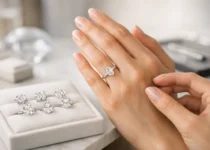
What Causes Fancy Colored Diamonds?
A diamond can come out of the ground looking pink, blue, yellow, or green for reasons that have nothing to do with sparkle and everything to do with science. If you are wondering what causes fancy colored diamonds, the short answer is this: tiny changes in a diamond’s crystal structure or trace elements inside it alter the way light is absorbed, which creates visible color.
That sounds technical, but it matters if you are shopping. Fancy color diamonds can carry dramatic price differences, and not all color is created the same way. Some colors are natural, some are treated, and some are grown in a lab. Knowing the cause of the color helps you understand rarity, value, and what you are actually paying for.
What causes fancy colored diamonds in nature?
Most diamonds are made almost entirely of carbon, arranged in a crystal lattice under extreme heat and pressure deep within the earth. If that lattice forms in a very pure way, the diamond can appear colorless. But nature is rarely perfect.
Fancy colored diamonds form when something interrupts that pure crystal pattern. Sometimes that interruption is a trace element, like nitrogen or boron. In other cases, it is structural distortion caused by pressure during growth or later movement within the earth. In a few colors, natural radiation exposure plays a role.
The key point for buyers is that a diamond’s color is not usually a surface feature. In natural fancy color diamonds, the hue is tied to the stone’s internal structure and geological history. That is one reason genuine natural fancy color diamonds can be so rare and expensive.
The main science behind diamond color
When light enters a diamond, some wavelengths pass through and others are absorbed. The wavelengths that are not absorbed are the ones your eye sees as color.
What changes that absorption pattern? Usually one of three things: trace impurities, defects in the atomic structure, or natural radiation effects. Different causes produce different colors, and some colors can result from more than one mechanism.
This is where grading reports matter. Two diamonds may both look yellow to an untrained eye, but one may be a natural fancy yellow diamond and the other may have received a treatment to produce or intensify color. The value difference can be significant.
Yellow diamonds
Yellow is one of the better-known fancy diamond colors, and it is usually caused by nitrogen. When nitrogen atoms are present in the crystal lattice, they can absorb blue light, making the diamond appear yellow.
Not every yellow diamond is a vivid canary color. Many diamonds contain some nitrogen and show only a faint body color, which places them in the standard D-to-Z color grading scale rather than the fancy color category. A diamond is considered a fancy yellow only when the color is strong enough to fall outside that normal range.
For shoppers, this is an important distinction. A lower-color white diamond with yellow tint is not the same thing as a true fancy yellow diamond, even if both look warm in tone.
Blue diamonds
Blue diamonds are usually associated with boron. Even tiny amounts of boron can cause the diamond to absorb red, yellow, and green parts of the spectrum, leaving a blue appearance.
Natural blue diamonds are exceptionally rare. Some also conduct electricity because of the boron content, which is unusual for diamonds. Because natural blue diamonds are so scarce, buyers should be especially careful to review a grading report and confirm whether the color is natural or treated.
Pink and red diamonds
Pink diamonds are among the most fascinating because their color is generally not caused by a trace element. Instead, the leading explanation is plastic deformation in the crystal lattice. In simple terms, the diamond experienced intense pressure that distorted its internal structure, affecting how it interacts with light.
Red diamonds are thought to form through a similar mechanism, but with an even rarer and more concentrated effect. That helps explain why natural red diamonds are among the rarest diamonds in the world.
This is also a good example of why price does not move in a straight line across colors. Yellow diamonds are more available than pinks and reds, so even a beautiful yellow stone may cost far less than a smaller pink diamond.
Green diamonds
Green diamonds typically get their color from natural radiation exposure over long periods of time underground. This radiation affects atoms in the crystal structure and changes the way light is absorbed.
Sometimes the green color is only on the surface, as a thin skin caused by exposure in the surrounding rock. If the stone is cut or repolished, that color can be reduced or removed. In other cases, the green appearance is more stable and distributed differently.
That makes green diamonds a category where expert grading is especially important. Buyers should not assume that all green diamonds have the same origin or durability of color appearance.
Brown, orange, and violet diamonds
Brown diamonds are often linked to structural distortions in the crystal lattice, somewhat like pink diamonds but with different effects on light absorption. They are more common than many other fancy colors, which generally keeps prices lower, though attractive brown diamonds can still be valuable.
Orange diamonds are rare and are often connected to nitrogen in a particular arrangement. Pure orange is less common than orangy yellow or brownish orange, so the exact hue has a major impact on price.
Violet diamonds can result from hydrogen-related defects or other complex structural features. These are rare stones, and their appearance can vary from subtle violet-gray to more obvious violet saturation.
Are black diamonds fancy colored diamonds?
Black diamonds are usually placed in the broader fancy color category, but their appearance comes from a different kind of internal structure. Many black diamonds contain dense clouds of inclusions, fractures, or graphite-like features that absorb light and make the stone look black.
Natural black diamonds do exist, but many black diamonds on the market have been treated to darken their color. That does not automatically make them a bad choice. It just means the buyer should know what they are buying and pay a price that reflects that reality.
Natural vs treated: why the cause matters to buyers
If you are shopping online, this is where things can get confusing quickly. A diamond can have a beautiful color, but the source of that color affects rarity, resale expectations, and price.
Natural fancy colored diamonds get their color from geological processes. Treated diamonds get their color from post-mining methods such as irradiation, high pressure high temperature treatment, or coating. Lab-grown diamonds can also be created with color through controlled growth conditions or later treatment.
None of those options are automatically wrong. It depends on your goal. If you want rarity and long-term collector appeal, natural fancy color matters. If you want the look of a vivid blue or pink diamond at a more approachable price, a treated or lab-grown option may be reasonable. The mistake is paying natural-fancy prices for something that is not natural.
What causes fancy colored diamonds to be more expensive?
Color alone does not determine value. Price depends on a mix of rarity, color intensity, hue purity, size, clarity, cut, and whether the color is natural.
In fancy color diamonds, color usually matters more than it does in colorless diamonds. A strong, attractive hue can outweigh clarity issues that would be bigger concerns in a white diamond. But there are trade-offs. Some buyers overfocus on carat weight and miss the fact that a larger stone with weak color may be less desirable than a smaller stone with stronger saturation.
The rarest colors, especially red, blue, and certain pinks, can command very high prices even in small sizes. Yellow and brown diamonds are generally more available, which makes them more accessible for many budgets.
How to shop smarter when color is involved
If you are considering a fancy colored diamond, ask first whether the color is natural, treated, or lab-grown. Then review the grading report from a respected lab. That report should identify the color origin and describe the hue and intensity.
You should also look carefully at how the seller presents the stone. Fancy color diamonds are often photographed under flattering conditions, and subtle differences in lighting can change how the color appears on screen. If you are buying online, ask to see videos in different lighting and compare multiple stones side by side.
This is one area where patience pays off. Fancy color diamonds are specialized purchases, and a rushed decision can get expensive fast. Diamondseducator’s buyer-first approach is especially useful here because the right purchase depends less on hype and more on understanding what the report is actually telling you.
A fancy colored diamond is not valuable just because it is unusual. It is valuable when the color is attractive, properly identified, and honestly represented. If you understand what caused the color in the first place, you are in a much stronger position to judge whether the price makes sense.