Why Are Colored Diamonds More Expensive?
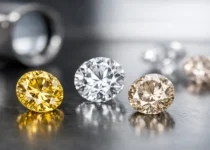
If you have ever compared a white diamond and a pink, blue, or vivid yellow diamond of similar size, the price gap can feel almost irrational. The short answer to why are colored diamonds more expensive is that you are not just paying for a diamond – you are paying for rarity, color intensity, and a much smaller supply that collectors and luxury buyers compete for.
That said, not every colored diamond is automatically more expensive than every colorless one. Price depends on which color you are looking at, whether the diamond is natural or lab-grown, how strong the color appears, and how the stone performs overall in cut, clarity, and carat weight. This is where many first-time buyers get tripped up.
Why are colored diamonds more expensive in the first place?
Natural fancy color diamonds are rare because the conditions that create their color are unusual. A colorless diamond forms when carbon crystallizes with very few chemical distortions. A colored diamond forms when something disrupts that process.
For example, yellow diamonds often get their color from nitrogen. Blue diamonds may get their color from boron. Pink and red diamonds are believed to get their color from structural distortion in the crystal lattice rather than a simple trace element. Those geological accidents are uncommon, and some colors are dramatically rarer than others.
Rarity matters in every luxury market, but it matters even more in diamonds because supply is naturally limited. A jeweler can source many white diamonds in standard quality ranges. Finding a natural fancy pink or blue with attractive saturation, good shape, and reliable grading is a very different challenge. When supply is tight and demand stays strong, prices rise fast.
Rarity is the biggest driver, but not the only one
When shoppers ask why are colored diamonds more expensive, rarity is the main answer, but it is not enough on its own. Two colored diamonds can look similar in photos and have very different prices.
The first reason is color quality. In fancy color diamonds, color is often the most important value factor. For colorless diamonds, buyers are usually trying to avoid color. For fancy color diamonds, buyers are specifically paying for it. A stronger, purer, more evenly distributed color usually commands a higher price.
The second reason is market demand. Certain colors have stronger prestige and collector appeal. Pink, blue, and red diamonds tend to carry exceptional premiums because they are both rare and highly desired. Yellow diamonds are more available, so they can be more affordable relative to other fancy colors, though top examples still sell for serious money.
The third reason is that the best colored diamonds combine multiple hard-to-find traits at once. A stone might be rare for its hue, then become even more expensive because it also has high clarity, appealing shape, and a carat weight that is difficult to find in that color.
How diamond color grading affects price
Fancy color diamonds are graded differently from colorless diamonds. Instead of being judged on a D-to-Z scale, they are evaluated for hue, tone, and saturation. In simple terms, graders look at what color it is, how light or dark it appears, and how strong the color is.
This is where price can change dramatically. Terms like Fancy Light, Fancy, Fancy Intense, and Fancy Vivid are not just descriptive. They are pricing categories. A one-step increase in color intensity can create a major jump in value, especially in sought-after colors.
For many natural colored diamonds, vivid or intense saturation is what buyers are really chasing. A weakly colored stone may still be beautiful, but if the color does not read clearly to the eye, it will not command the same premium. In other words, buyers are paying for obvious, attractive color – not just the idea of color on a grading report.
Which colored diamonds are the most expensive?
Not all fancy color diamonds sit in the same price tier. Red diamonds are generally considered the rarest and often the most expensive per carat. Blue and pink diamonds also rank among the highest-priced categories, especially in strong saturation grades.
Yellow diamonds are the color many buyers encounter first because they are more available in the retail market. They can still be costly, particularly in larger sizes and stronger grades like Fancy Vivid Yellow, but they are usually more accessible than comparable pink or blue stones.
Green, orange, and purple diamonds can also be rare and expensive, but pricing depends heavily on whether the color is natural and how pure the hue appears. Brown and champagne diamonds are typically less expensive than top-tier fancy colors, partly because they are more common and often face less demand.
This is why broad price comparisons can mislead shoppers. Saying colored diamonds are more expensive is true in many cases, but the specific color category matters a lot.
Natural vs. treated vs. lab-grown colored diamonds
This is one of the most important distinctions for online buyers.
A natural fancy color diamond gets its color from nature. That is the category that commands the highest prices because it combines rarity and authenticity. A treated colored diamond started as a natural diamond, but its color was altered through processes such as irradiation or HPHT treatment. A lab-grown colored diamond is created in a controlled environment rather than mined from the earth.
These categories can look similar to the untrained eye, but they do not carry the same market value. If you are comparing prices and wondering why one colored diamond is so much more expensive than another, this is often the reason.
Treated and lab-grown colored diamonds can be a smart choice for buyers who want the look of fancy color without paying natural fancy color prices. There is nothing inherently wrong with either option as long as the seller discloses it clearly and the pricing reflects what it is. Problems happen when shoppers assume all colored diamonds belong to the same value category.
Cut, clarity, and carat still matter – just differently
In colorless diamonds, cut quality is usually the biggest beauty factor because it drives sparkle and light return. In colored diamonds, cut still matters, but cutters often make different decisions. They may prioritize preserving color strength over achieving the ideal light performance standards used for white diamonds.
That means a colored diamond may have proportions that would not be considered ideal in a colorless stone, yet still be valuable because the cut helps deepen the face-up color. This can surprise buyers who are used to standard 4Cs advice.
Clarity matters too, but it may play a smaller role than color in some fancy color categories. Buyers are often willing to accept more inclusions if the color is exceptional and the stone looks attractive face-up. Carat weight also carries a steep premium because larger natural fancy color diamonds are significantly harder to source.
The key point is that pricing priorities shift. In a colorless diamond, you might trade slightly lower color for better cut. In a fancy color diamond, you may accept lower clarity or a less traditional cut if the color is outstanding.
Why online shoppers need to be extra careful
Colored diamonds are one of the easiest categories for inexperienced buyers to overpay in. Product listings can use language that sounds impressive without making the most important details clear.
You want to know whether the diamond is natural, treated, or lab-grown. You want a reputable grading report, ideally from GIA for natural fancy color diamonds, because color origin has a major impact on price. You also want to see how the color looks in real images and video, not just polished studio photos that can exaggerate saturation.
Another risk is assuming that a certificate alone guarantees a good buy. A grading report confirms what the diamond is, but it does not tell you whether the asking price is fair. Two diamonds with similar reports can still differ in visual appeal, cut quality, and value.
This is one of the reasons educational sites like Diamondseducator exist in the first place – to help shoppers separate genuine rarity from marketing language.
When is a colored diamond worth the premium?
The answer depends on what you value. If you want rarity, collectibility, and natural origin, then a natural fancy color diamond may justify the premium. You are buying something genuinely scarce, and in the strongest color categories, scarcity is a real market force.
If your priority is simply the look of a pink, blue, or yellow diamond in a ring, paying natural fancy color prices may not make sense. A lab-grown or treated colored diamond could give you the appearance you want at a much lower cost.
There is no universally correct choice here. The mistake is paying a natural-diamond premium for a stone that is not natural, or paying for a weak color grade when what you really wanted was a vivid appearance.
The safest approach is to decide what matters most before you shop. Are you buying for beauty, rarity, long-term value, or budget control? Once that is clear, the pricing starts to make more sense, and you are far less likely to be swayed by a listing that sounds better than it is.
If a colored diamond catches your eye, slow the process down and verify exactly what is creating the price. The best purchase is not the rarest diamond in the case – it is the one you understand well enough to buy with confidence.